5 Parameters to Check
1. Cycle Life
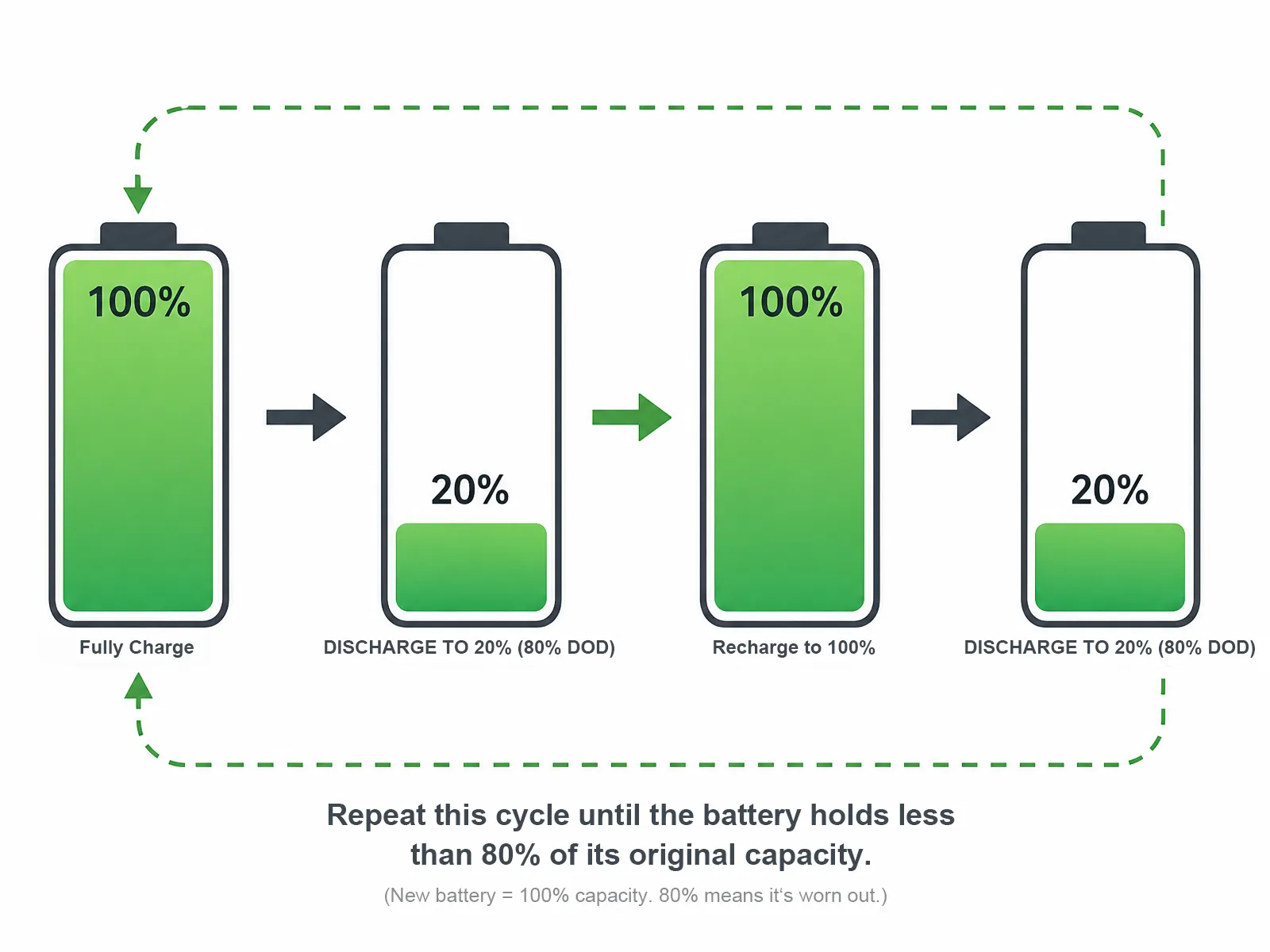
Lead-acid delivers 300-500 cycles, about 2-3 years of use. JIEYO sodium-ion delivers 6,000+ cycles at 80% DOD — 8-10 years. For a fleet of 10 vehicles, that’s 30-40 fewer battery replacements over a decade.
2. CCA (Cold Cranking Amps)
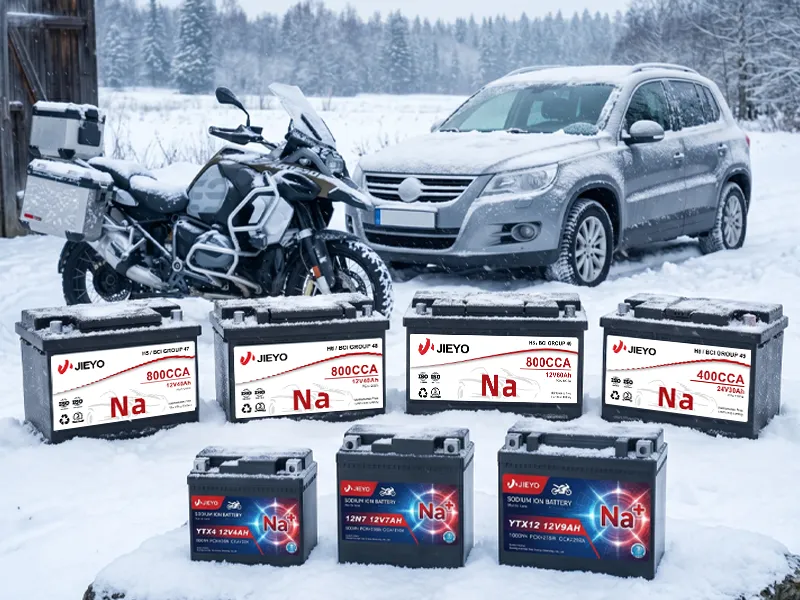
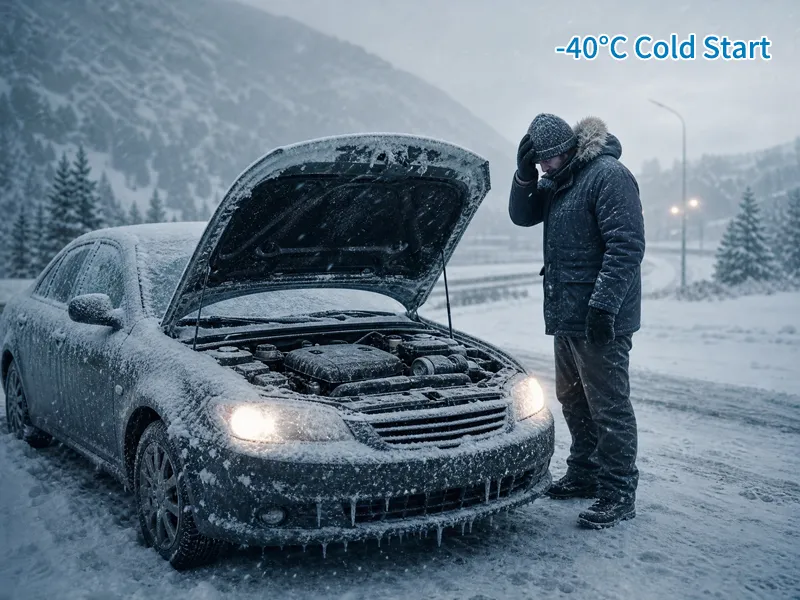
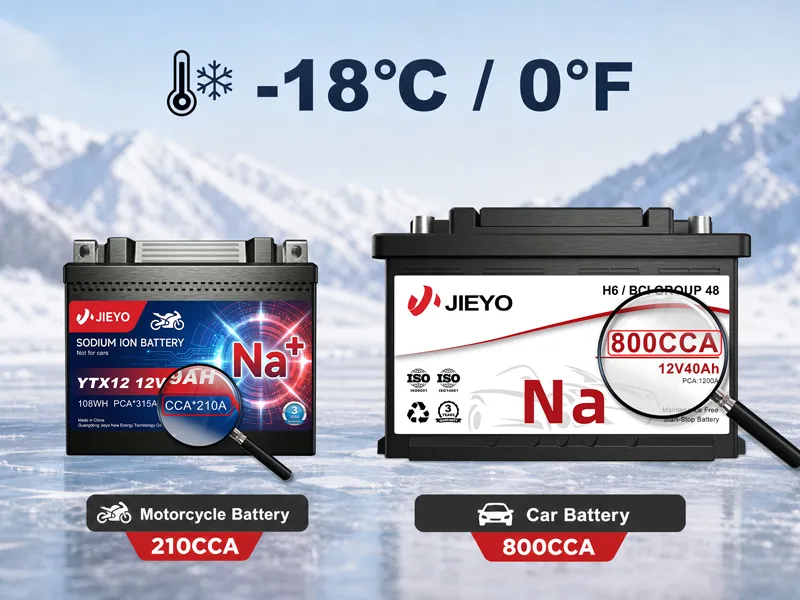
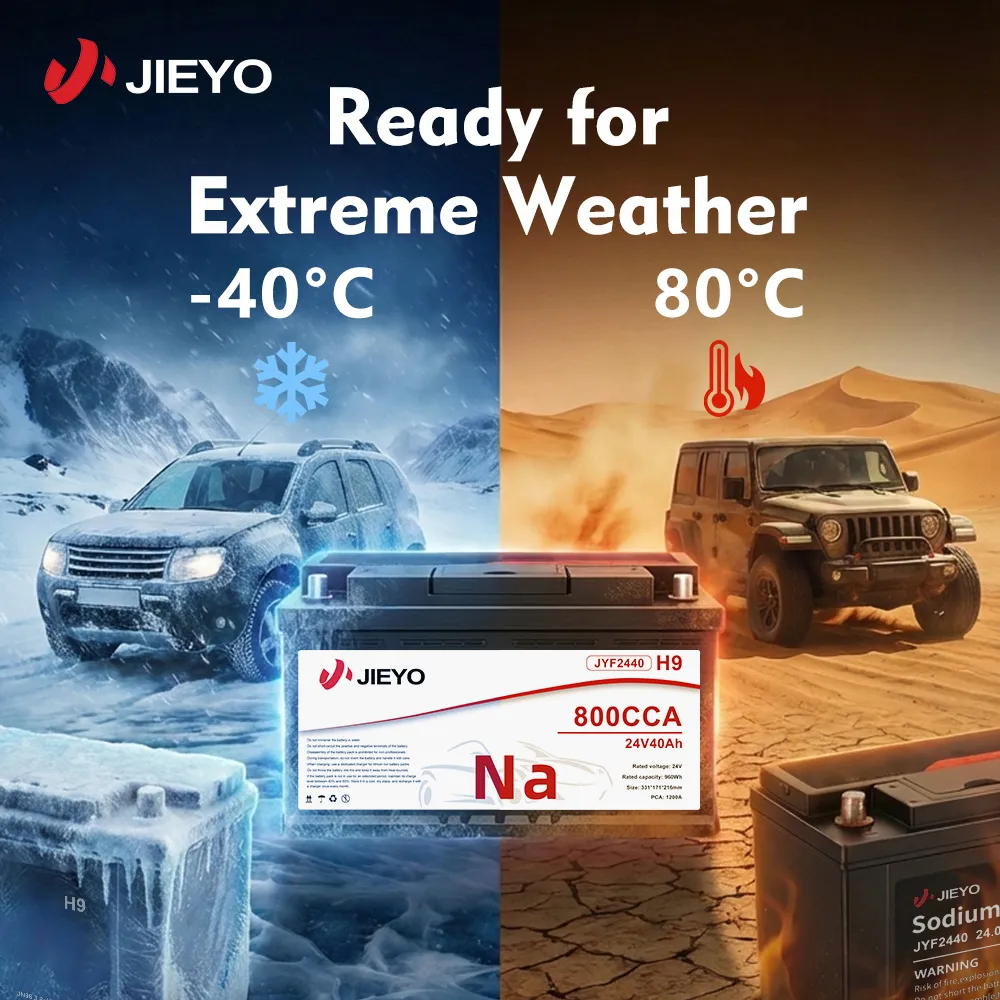
Cold weather determines if your vehicle starts. Lead-acid delivers 300-500A CCA. JIEYO sodium-ion delivers 800-1,200A CCA. Sodium-ion cells support 50C+ instantaneous discharge, with CCA above 800A at -40°C. If you operate in freezing weather, insufficient CCA means no start — no matter how many cycles the battery has.
3. Operating Temperature
Lead-acid loses 30-50% of cranking power in freezing temperatures. LiFePO₄ drops significantly at -20°C. JIEYO sodium-ion operates from -40°C to 80°C, retaining >85% capacity at -20°C and >75% at -40°C. If your equipment works in extreme environments, this is non-negotiable.
4. Weight
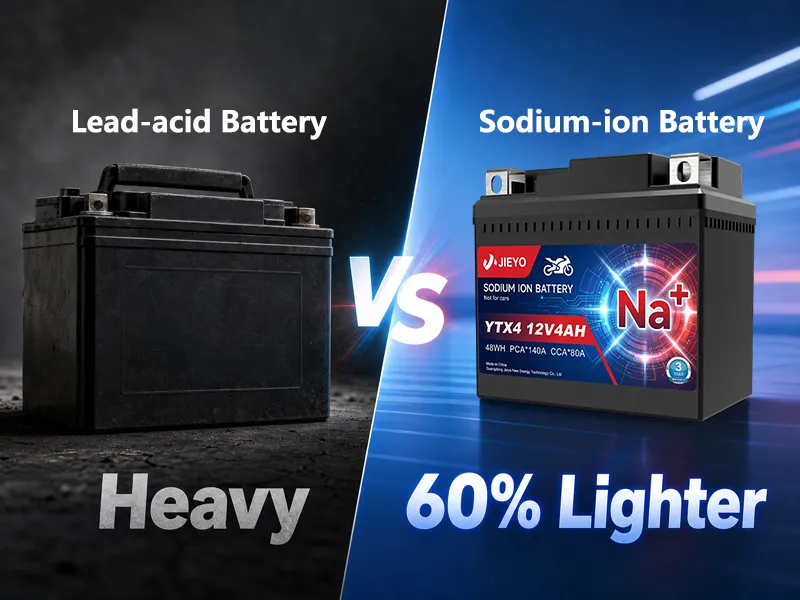
JIEYO sodium-ion is up to 60% lighter than lead-acid. A typical 24V 40Ah unit weighs ~15-16 kg. Lighter = easier installation, less vehicle load, lower shipping costs.
5. BMS Protection
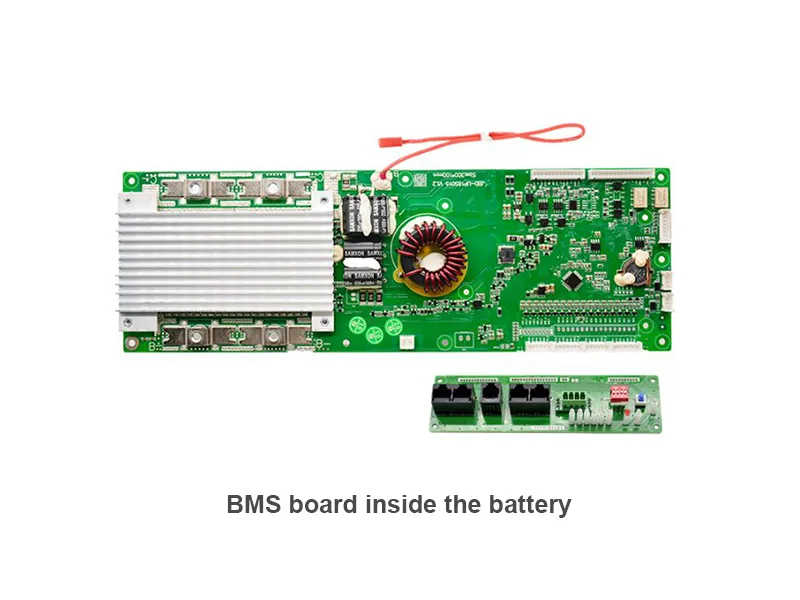
Lead-acid has no electronic protection. JIEYO sodium-ion comes with full BMS protection against overcharge, over-discharge, overheat, and short circuits. BMS monitors in real time and cuts power when something goes wrong — fewer failures, lower maintenance.